Keeps your tan longer without repeating the full initial phase Requires smaller, less frequent doses Saves money in the long term Reduces product waste and improves efficiency Dont use tap or spring water
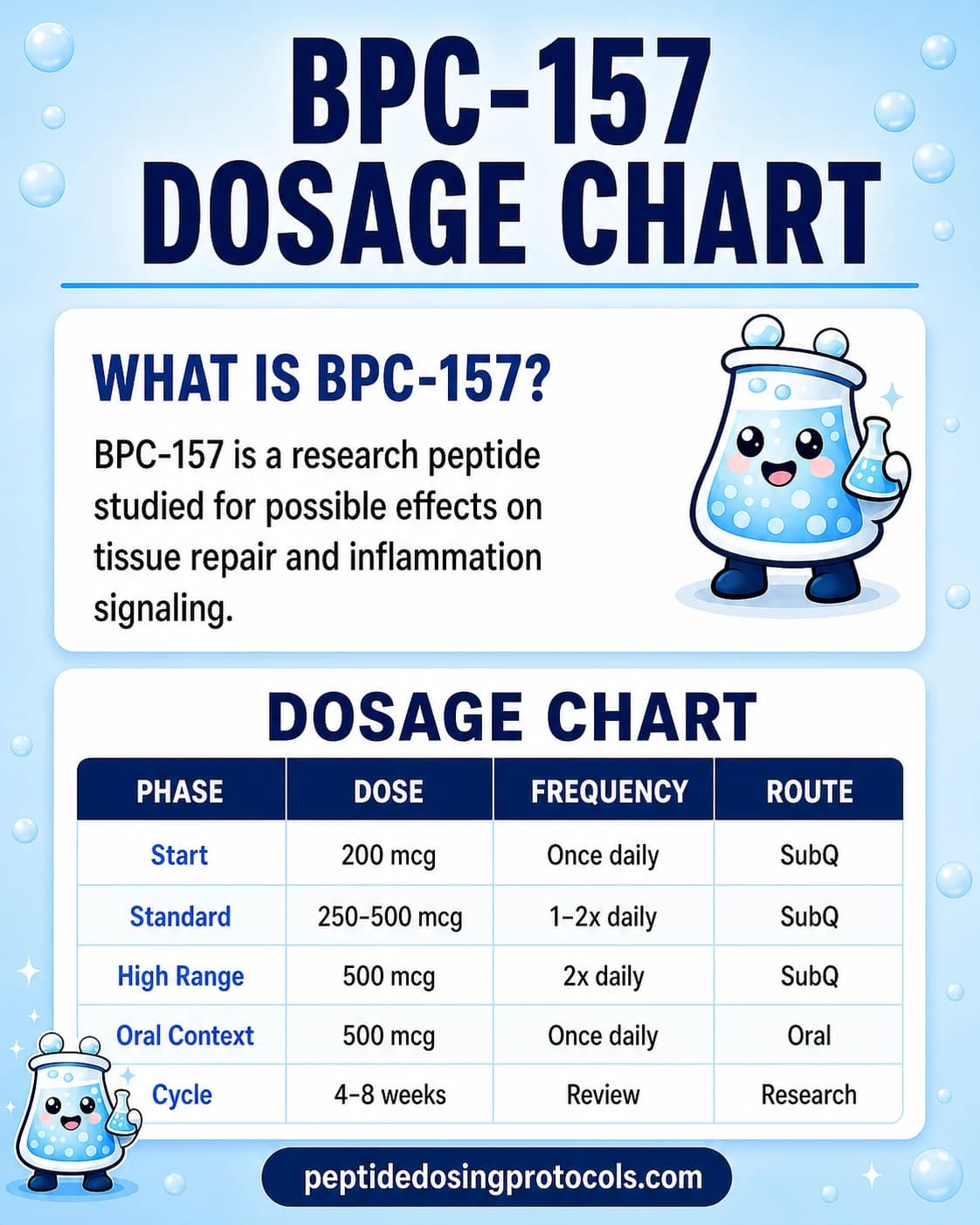
Injection vs Oral BPC-157: Pros, Cons, and Best Practices Pros and Cons of BPC-157 Injection Pros: Higher bioavailability Faster onset Precise dosing for targeted tissue repair Cons: Requires sterile technique and equipment Possible discomfort or bruising at injection site Higher cost per dose Clinicians often favor injections for acute tendon or ligament injuries
The maximum amount that can be ordered is a three month supply of medication based on your prescription

Recommended Injection Sites: Abdomen (2 inches from navel in any direction) Upper thighs (front or outer aspects) Upper arms (if administered by a partner) Rotate injection sites to prevent tissue irritation and lipohypertrophy Injection Supplies: 29-31 gauge insulin syringes (smaller gauge = less discomfort) 0.5-1ml syringe capacity 12.7mm (1/2 inch) needle length Alcohol swabs for site preparation Sharps container for safe needle disposal Injection Procedure: Wash hands thoroughly and prepare injection site with alcohol swab Allow alcohol to dry completely (prevents stinging) Pinch skin gently to create a fold of subcutaneous tissue Insert needle at 45-90 degree angle (depending on body fat thickness) Inject slowly and steadily over 5-10 seconds Withdraw needle and apply gentle pressure if needed Dispose of needle safely in sharps container Reconstitution Instructions 5-Amino-1MQ typically arrives as lyophilized (freeze-dried) powder requiring reconstitution before use
The platform prioritizes accessibility and ease of use
The molecule is permeable to cell membranes (confirmed by Caco-2 assay) and highly selective, without inhibitory effect on other SAM-dependent methyltransferases