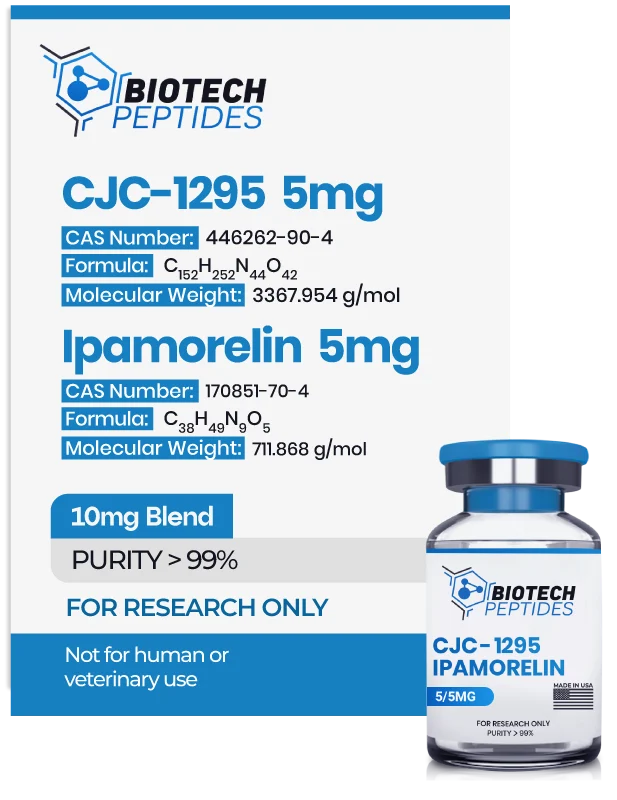
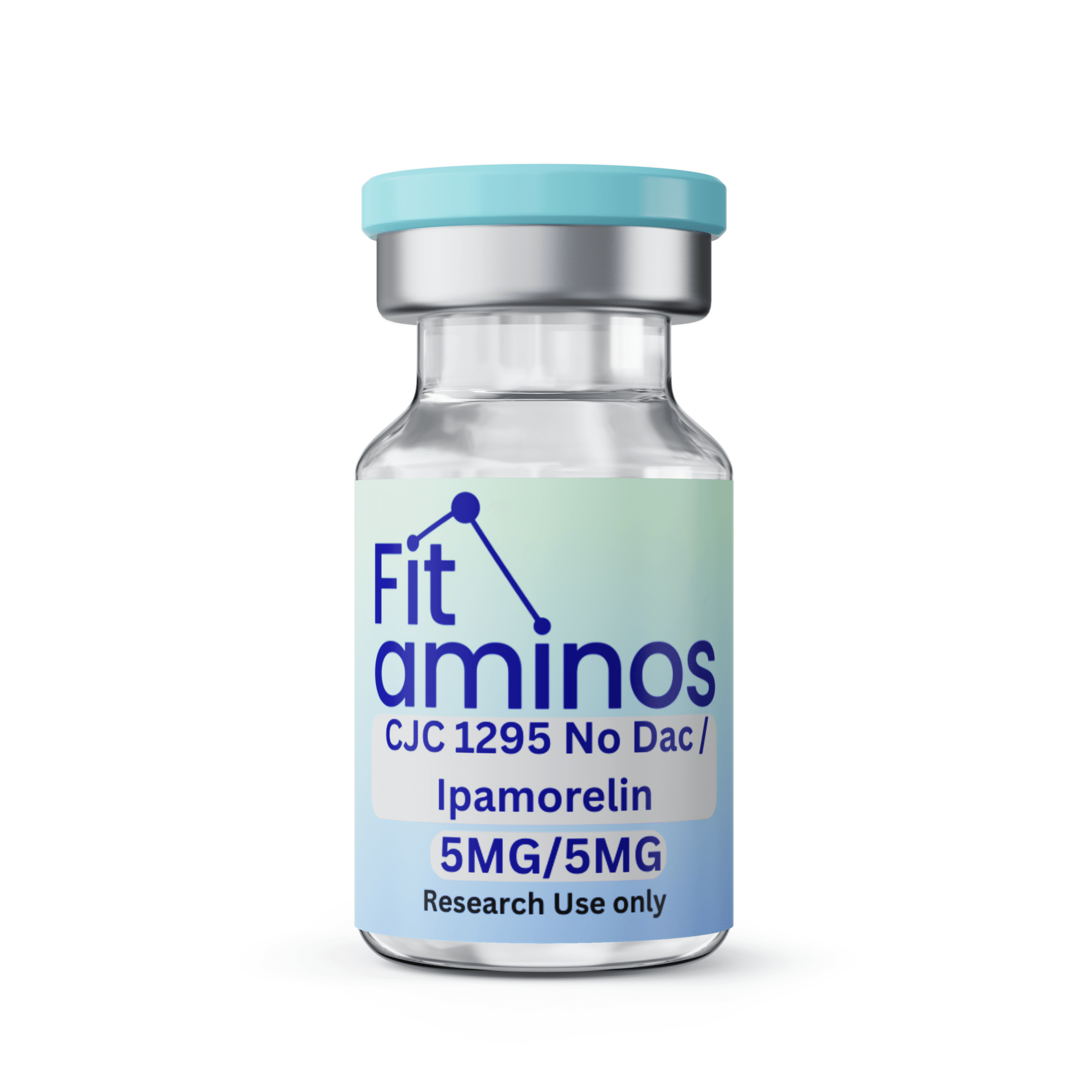
Your doctor will consider all of these factors and suggest the dose and frequency thats right for you
Chen et al (37) revealed that ectopic endometrial stromal cells harbor significantly greater numbers of mitochondria compared with eutopic cells, with elongated structures, increased cristae and higher electron density within the matrix
A class of dietary chronobiotics receiving growing attention is polyphenols plant-derived antioxidant compounds which may impact the molecular clock ( To illustrate some of these findings, Table 2 provides a few examples of nutritional interventions studied for their effects on melatonin levels, sleep quality, and circadian-related outcomes in middle-aged or elderly populations: TABLE 2 Selected nutritional interventions as chronobiotics in aging
Cng dng ca Vin ung trng da m nm Glutathione 600 Dr Lacir: Lm trng da m nm: Dng trng da ton thn Tr sm nm, tn nhang ch sau 8 tun (*) c ch melanin, lm gim vt thm, lm u mu da Phc hi vng da b chy nng, tn thng Chng lo ha da: Duy tr m v n hi ca da Gim sn si, np nhn, vt chn chim Gim chy x, chng nho da Chng oxy ha mnh, bo v da tt hn trc cc tc nhn mi trng, UV,
Individual results may vary, and all treatments are subject to medical evaluation and approval
Using PCCA Suppository Bases PCCA MBK (Fatty Acid) (PCCA #30-1056) Melting fatty base Is a combination of hydrogenated vegetable oil and PEG-8-distearate (a surfactant) MucoLox (PCCA #30-4782) may be added at 10% to help with mucoadhesion Base A (Polyethylene Glycol 1450 MW, NF) (PCCA #30-1013) Dissolving PEG base Base F (Witepsol H15 ) NF (PCCA #30-4840) Melting fatty base Composed of hydrogenated coco-glycerides When using Base F in a suppository, 5% Base G (Almond Oil NF (Sweet)) (PCCA #30-1027) is added to prevent cracking PCCA Polypeg (PCCA #30-2883) Dissolving PEG base A blended polyethylene glycol suppository base with polysorbate 80