A GLP-1 blocker acts by inhibiting the GLP-1 receptor, which modulates the downstream inflammatory pathways linked to: cytokine production immune system activation oxidative stress inflammatory signaling in tissues such as the liver, fat cells, and gut In low doses, blocking GLP-1 receptors appears to influence the immune system without significantly interfering with glucose control which is why this approach is being studied specifically for inflammation rather than metabolic disease
Read our complete anti-aging guide for detailed protocols
Please contact your healthcare provider for professional medical advice, specific dosage instructions, and a personalized treatment plan
NNMT inhibition Selectively blocks the NNMT enzyme the basis for its metabolic research
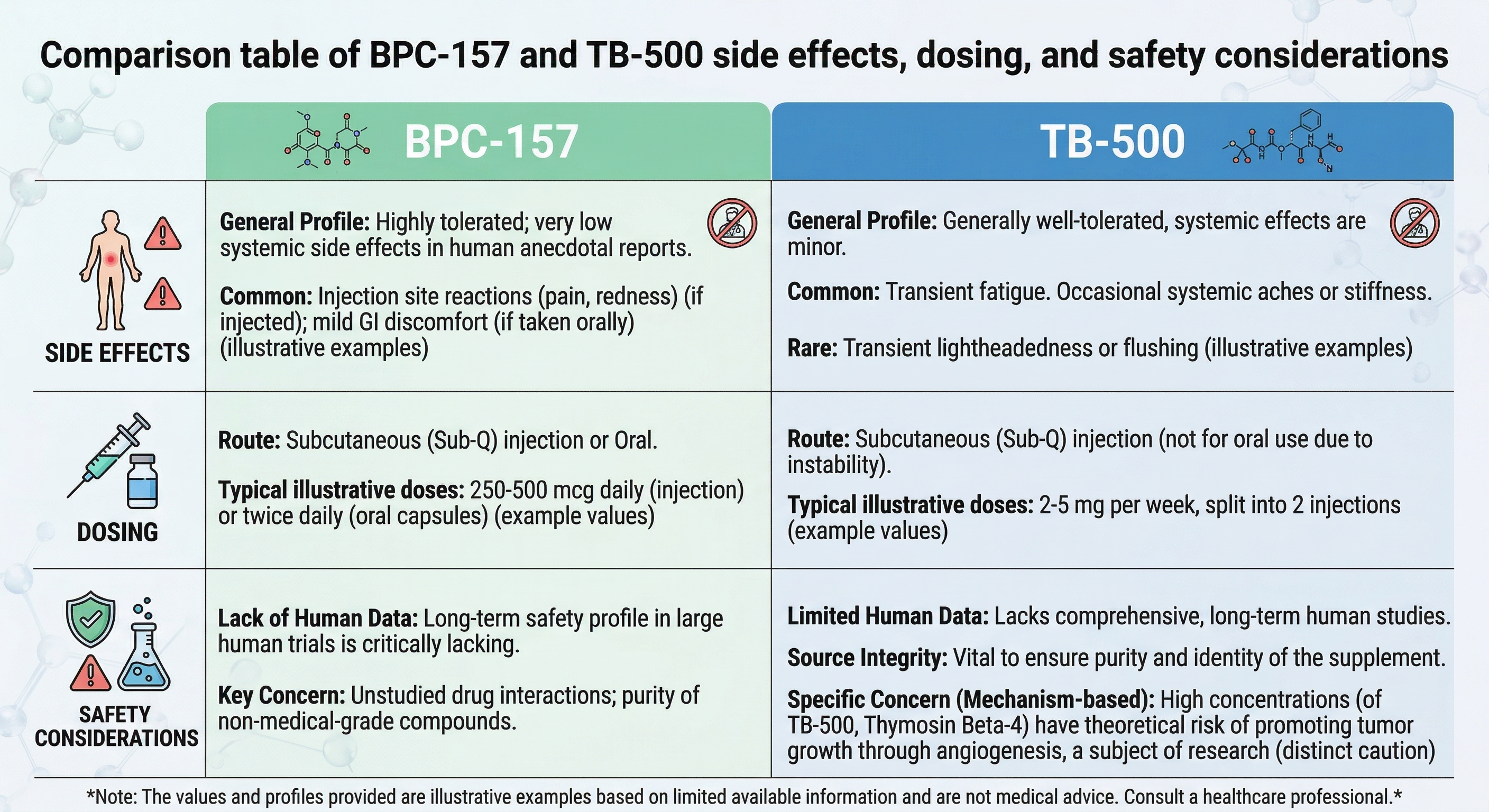
BPC-157 contributes to neurotrophic signaling and dopamine regulation, while TB-500 enhances actin-based neuronal outgrowth, resulting in faster restoration of nerve conduction and motor function
GHK-Cu longevity depends heavily on storage conditions, with room temperature exposure limited to 1-2 weeks for lyophilized material