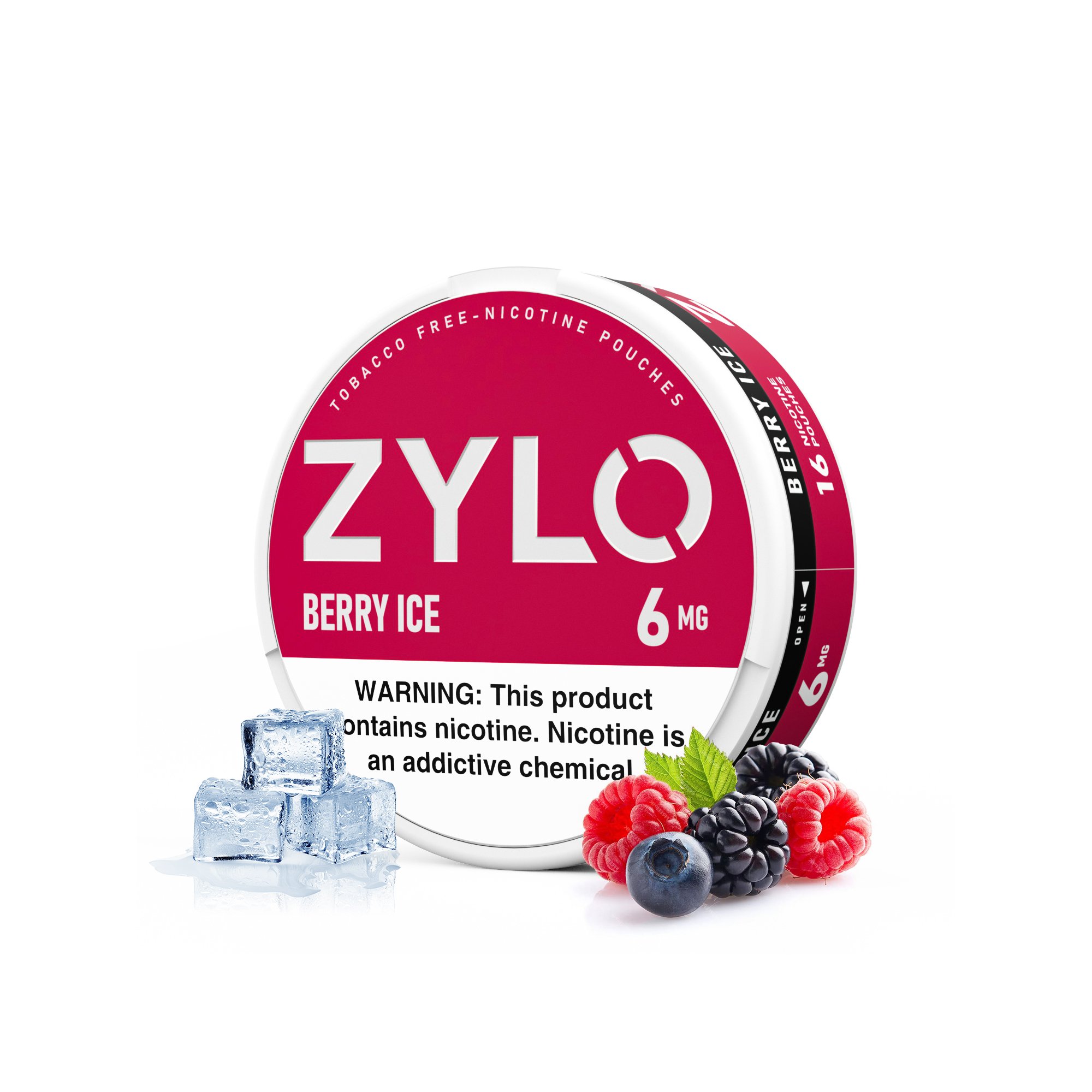
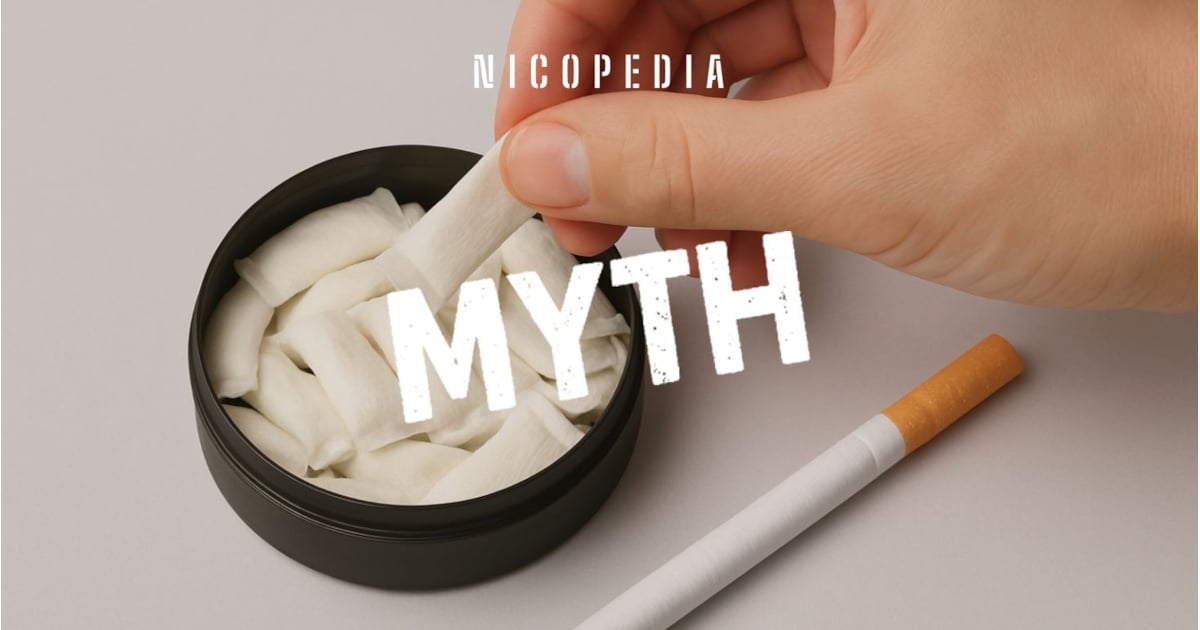
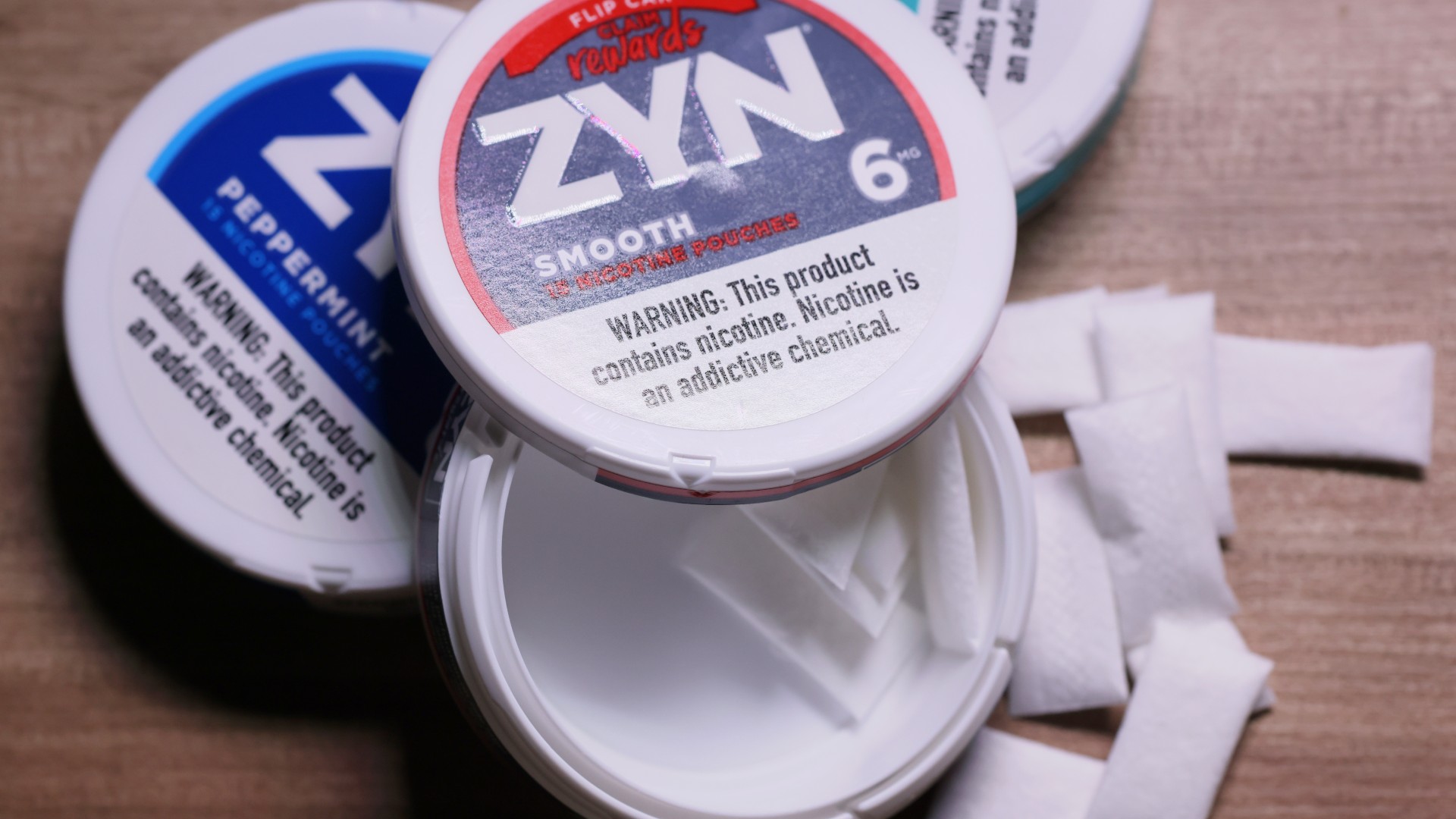
While they are considered less harmful than traditional cigarettes, there are still uncertainties about the potential risks, including issues related to lung damage and other respiratory problems
Growth is fueled by cost savings versus pre-made cigarettes
to set the tobacco purchasing age at 21
Tomorrow we aren't
Cancers affected : Research has shown protective effects for: Liver cancer : 40% reduced risk with regular coffee consumption Colorectal cancer : 15-26% lower risk, with greater protection at higher consumption levels Breast cancer : Moderate evidence of risk reduction, particularly for postmenopausal women Endometrial cancer : 20-25% reduced risk Prostate cancer : Possible protective effect in some studies Skin cancer : Some evidence of protection against melanoma Anti-cancer mechanisms : Antioxidants protect DNA from damage that can lead to cancer Anti-inflammatory properties reduce chronic inflammation linked to cancer development May improve DNA repair mechanisms Helps regulate cell cycle and prevents abnormal cell growth Enhances the bodys detoxification processes Important nuance : Coffee contains trace amounts of acrylamide, a substance that forms during roasting and is considered a potential carcinogen
Welling MT, Shapter T, Rose TJ, Liu L, Stanger R, King GJ