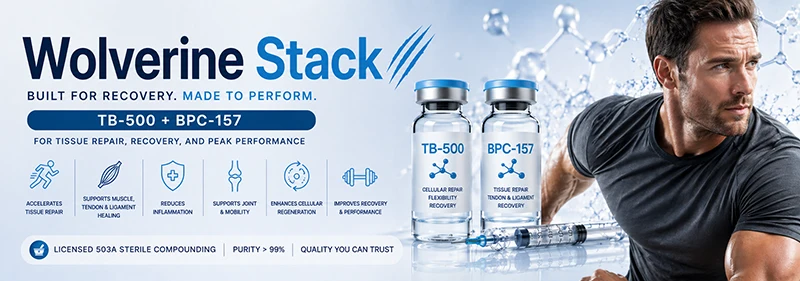
As interest grows, compounds like BPC-157 and TB-500 are becoming central to modern recovery and performance protocols
Seesanong S, Seangarun C, Boonchom B, Ohpasee N, Laohavisuti N, Boonmee W, Rungrojchaipon P (2024) Green Ca-source of cockle shells converted to calcium acetate for environmental sustainability

Weekend trips Short trips (2-3 days) : Small cooler with ice pack Reconstituted peptides stay cold Bring pre-loaded syringes (use within 24 hours) Medium trips (4-7 days) : Small medical cooler Multiple ice packs Access to fridge at destination Extended travel Long trips (weeks) : Don't reconstitute before leaving Travel with powder vials Buy bacteriostatic water at destination Reconstitute after arrival Bulk storage strategies Buying in bulk Cost savings : 10-20% discount on 10+ vials Supply security : Ensure availability Long-term storage : Powder stable for years Calculate needs : Use peptide cost calculator Freezer storage For powder only (never reconstituted): -20C or colder 3-5 year stability Vacuum-sealed vials Minimal moisture exposure Thawing : Move to fridge day before use Let warm to room temp before opening Prevents condensation Never microwave to thaw Organization system Label everything : Peptide name Batch number Purchase date Expiration date Organize by type : Healing peptides together GH peptides together Weight loss peptides together Track inventory : Spreadsheet or app Note when vials used Reorder before running out Common storage mistakes Using sterile water instead of bacteriostatic Problem : Peptide only lasts 1-3 days
It is listed under Unesco world heritage and one of the main tourist attractions in Nepal
For mild Grade 1 strains in recreational athletes, BPC-157 alone often suffices and represents a more cost-effective option
Leucovorin, also known as folinic acid, is a derivative of vitamin B9