What it's studied for In animals and in cells, dihexa has been looked at for: Memory and learning in rodents mostly the Morris water maze, a test where a rat has to remember where a hidden platform is Models of Alzheimer's disease for example, in genetically modified mice bred to develop Alzheimer's-like brain changes Models of Parkinson's disease and motor problems Growing new synapses in hippocampal cells in a dish There's also a genuinely mundane use worth knowing about, because it's revealing: dihexa shows up in stem cell laboratories as a reagent a cheap chemical stand-in for an expensive growth factor, used to help turn stem cells into liver cells in a dish
2 mg of Ozempic once per week for the fourth month and beyond
Common ratios are designed to make math easy
In animal research, it helps healing cells move to injured areas faster, supports new blood vessel growth, and reduces scar tissue
Bringing these research approaches together helps explain how peptide selection aligns with specific study goals
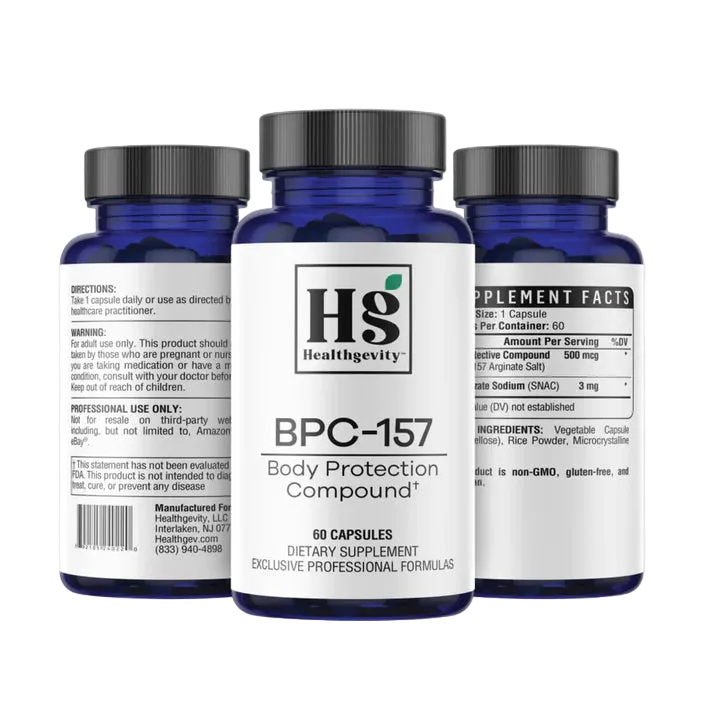
BPC-157 BPC-157 (15 amino acids): A synthetic pentadecapeptide studied for its role in wound healing, angiogenesis (blood vessel formation), and inflammation modulation