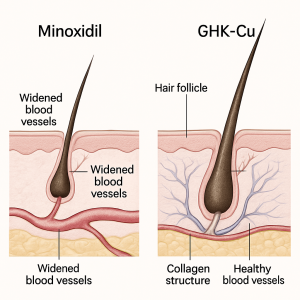
Theoretical Considerations Both peptides strongly promote new blood vessel growth
M.StojanovP.PengS.LawrenceM
Our goal is to provide dependable research compounds that meet high-quality laboratory standards
metabolite Ac-LKKTE identified as potentially more active than parent compound Paradoxical finding: Both peptides show biological effects persisting hours to days after administration despite rapid plasma clearance Possible explanations: Tissue retention, active metabolites, or persistent signaling cascade activation Excretion Pathways Limited data exists on excretion for both peptides[22]: Likely renal elimination of peptide fragments Hepatic metabolism may contribute to clearance No accumulation detected in chronic dosing studies (animal models) Combined excretion kinetics have not been characterized in any species The disconnect between short plasma half-lives and prolonged biological effects represents a key area requiring mechanistic clarification for both individual peptides and their combination
Other common dyes, e.g., FD&C red 40, FD&C red 3, FD&C yellow 5, FD&C yellow 6, FD&C blue 1, FD&C blue2, FD&C green 3, fluorescence dyes (e.g., Fluorescein isothiocyanate, rhodamine, Alexa Fluors, DyLight Fluors) and/or dyes that are visualizable in conjunction with non-invasive imaging techniques such as MRI, CAT scans, PET scans or the like (e.g., Gadolinium-based MRI dyes, iodine-base dyes, barium-based dyes or the like) are also contemplated for use with any otic formulation or composition described herein
Dont gamble with your life